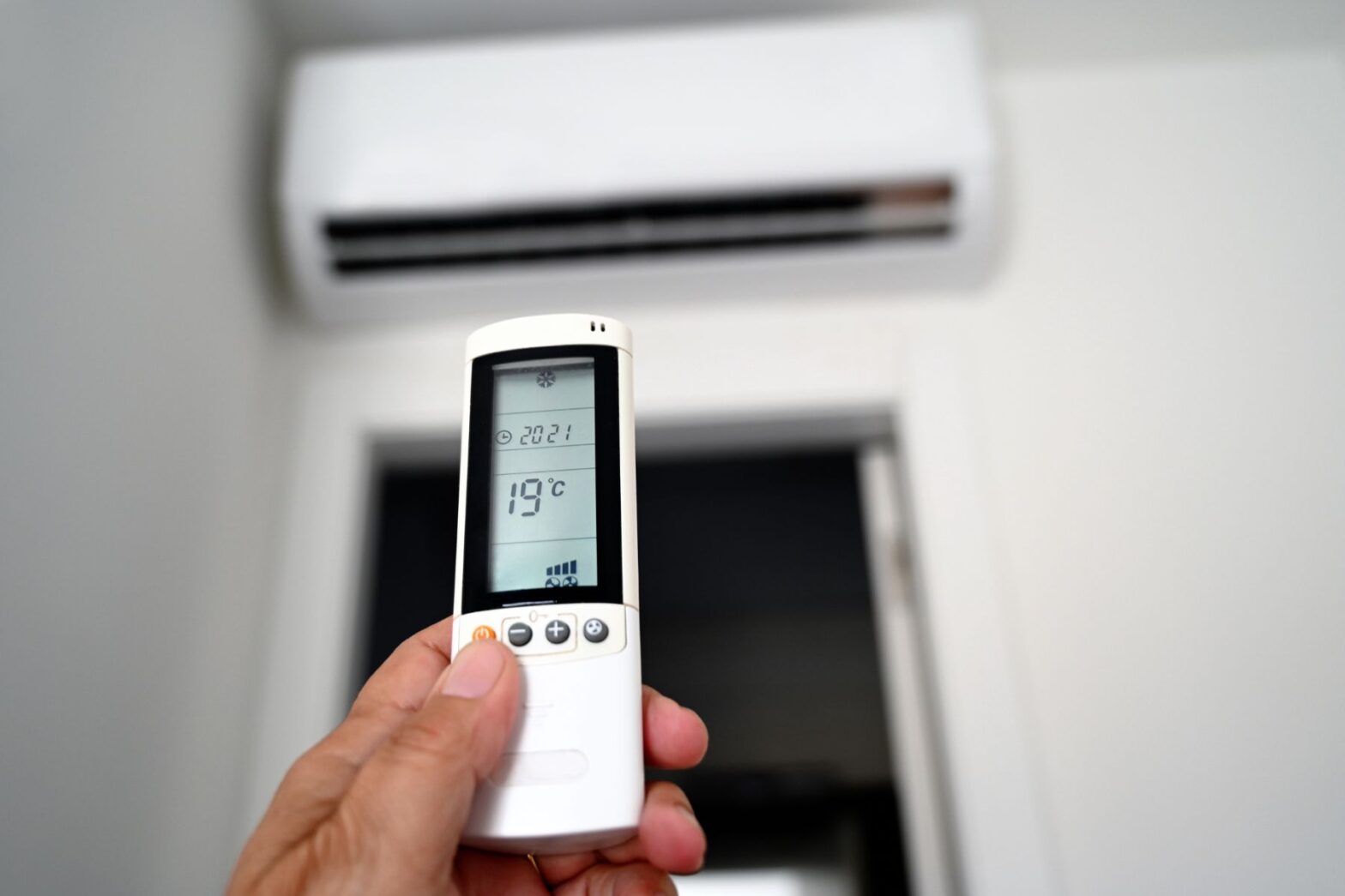
When it comes to choosing an air conditioning system for your home or office, it’s important to understand the essential features that will ensure you make the best investment for comfort, efficiency, and long-term satisfaction. Air conditioners are a significant purchase, and selecting the right system requires careful consideration of your cooling needs, energy efficiency, and budget. Here’s a guide to the key features you should look for when buying your next air conditioning system.
1. Energy Efficiency
Energy efficiency is one of the most important factors to consider when selecting an air conditioning system. A system that consumes less energy will not only help reduce your carbon footprint but also save you money on energy bills in the long run.
Look for units with a high Seasonal Energy Efficiency Ratio (SEER). This rating measures how efficiently an air conditioning unit cools your space. The higher the SEER rating, the more efficient the system is. Modern air conditioners typically have SEER ratings between 13 and 25, with ratings above 16 being considered highly energy-efficient. Additionally, some air conditioners are ENERGY STAR® certified, which means they meet the U.S. Environmental Protection Agency’s standards for energy efficiency.
Investing in an energy-efficient system might cost a bit more upfront, but the savings on your utility bills over time will justify the higher initial cost.
2. Proper Sizing
A common mistake when choosing an air conditioner is purchasing a unit that is either too large or too small for the space. An air conditioner that is too large will cool the space quickly but may fail to remove humidity properly, making the room feel clammy. On the other hand, an undersized unit will struggle to cool the room, leading to increased wear and tear and higher energy consumption.
The key to proper sizing is to calculate the cooling capacity required for the room. This is measured in BTUs (British Thermal Units). A professional installer can help you determine the optimal size based on factors such as the room’s square footage, insulation, sunlight exposure, and the number of people in the space. For example, a room measuring 150 square feet typically requires an air conditioner with a cooling capacity of 5,000-6,000 BTUs.
3. Inverter Technology
Traditional air conditioners use a fixed-speed compressor, which either runs at full speed or is off. In contrast, air conditioners with inverter technology have a variable-speed compressor that adjusts the cooling output based on the room’s needs. This means the unit operates more efficiently, consumes less energy, and provides more consistent cooling.
Inverter-based systems are typically quieter than traditional systems because they don’t have to constantly start and stop the compressor. They also tend to have longer lifespans due to reduced wear and tear on components. If you’re looking for a quieter, more efficient air conditioning unit, an inverter model is an excellent choice.
4. Air Quality Features
A good air conditioning system should not only cool your space but also help improve indoor air quality. Many modern systems come with advanced air filtration features that can remove dust, pollen, pet dander, and other allergens from the air. If you suffer from allergies or asthma, look for units with HEPA filters or systems equipped with ionizers and UV light filters that can reduce bacteria and mold growth.
Some units even have built-in dehumidifiers that help maintain the ideal humidity level in your space. This is particularly important in areas with high humidity, where excess moisture can lead to mold growth and other health concerns.
5. Smart Controls and Wi-Fi Capability
Today’s air conditioners offer more than just a remote control. Many modern systems come with smart technology that allows you to control the temperature remotely via smartphone apps. With Wi-Fi capability, you can adjust the settings, check energy consumption, or set up scheduling from anywhere, whether you’re at work or on vacation.
Some air conditioners are compatible with smart home assistants such as Google Assistant, Amazon Alexa, or Apple HomeKit, giving you the convenience of voice control. Smart features also allow for more precise temperature control and the ability to create cooling schedules, so you never have to worry about the air conditioner running unnecessarily when you’re not home.
6. Noise Levels
The noise level of an air conditioning unit can be a significant consideration, especially if you plan to install it in a bedroom, living room, or office where noise may be disruptive. Air conditioners are typically measured in decibels (dB), and while a louder unit might be tolerable in a basement or garage, it can be unpleasant in quiet spaces.
Most modern air conditioning units are quieter than older models, but it’s still important to check the unit’s noise level before making a purchase. Look for systems that operate at 50 dB or lower for a quieter experience. Units with inverter technology tend to be quieter due to their ability to adjust the compressor speed.
7. Cost of Installation and Maintenance
The total cost of an air conditioning system isn’t just about the price of the unit. You’ll also need to factor in the installation cost, which can vary based on the complexity of the installation, the system type, and the space where it’s being installed.
Some air conditioners, particularly ductless systems, can be more expensive to install than others, but they offer flexibility and efficiency, especially in homes without existing ductwork. Make sure to get multiple quotes from certified installers and inquire about warranties and maintenance requirements. Proper maintenance, such as regular filter changes and annual check-ups, is crucial for maximizing the lifespan and efficiency of your air conditioner.
8. Type of Air Conditioner
Finally, consider the type of air conditioning system that best suits your needs. There are several options available:
- Central Air Conditioning: Ideal for cooling entire homes, particularly if they already have ductwork.
- Ductless Mini-Split Systems: These are perfect for homes without ducts and offer both cooling and heating. They are efficient and offer flexibility in cooling individual rooms.
- Window Units: Cost-effective and easy to install, window units are perfect for cooling smaller spaces but may be less efficient than other systems.
- Portable Units: These are moveable air conditioners that work well for temporary cooling needs but may not offer the same level of performance as other options.
Conclusion
Choosing the right air conditioning system for your home or business requires careful consideration of several factors, including energy efficiency, size, smart features, and air quality. Take the time to assess your specific needs and consult with professionals to ensure you select a system that offers optimal performance, comfort, and long-term savings. With the right air conditioner, you’ll be able to stay cool and comfortable no matter the temperature outside.